
After Rock

I went to a Jack White concert the other night. This is noteworthy for me not because of Jack White but because I was never much of a concertgoer, not even when I was young. The first and only band I remember seeing play live in my youth was James at the Athens Rockwave Festival, the summer of ‘98. I went with a group of girls I had met in my A-level prep program, who were cool in that they were different from all the other friends I had inherited from high school. These were new friends, and they were introducing me to new worlds, made of burgundy hair dye, corduroy bell bottoms, and indie bands from the UK. The experience was memorable mostly because it was the first time I became aware of a situation in which I was meant to be participating in the having of fun, but was, in fact, not having fun. The people around me were not simply enjoying themselves, they appeared to be sharing an understanding that transcended their individual natures to create a single, unified, enraptured soul. I, on the other hand, was experiencing a massive inconvenience.
To start, I was standing, or rather I was still standing, and I had been doing so for hours. We had been on our feet since we walked in and picked a spot somewhere in a wide open space that was governed by no rules of spatial conduct. Our view could be obstructed at any moment by a taller person who would come to stand in front of us, forcing us to move and obstruct someone else’s view in turn. The reshuffling went on all through what I was informed was the opening act, which was a mini concert before the actual concert, and not a good one at that. It was music we were obliged to listen to while trying to secure the elusive good spot in the large ambiguous space, a fool’s errand, because by the time we all settled in the positions we were to occupy for the rest of the evening we had been pushed back to a location that was only as good as the vast majority of the floor. We had been there for at least an hour before the actual show began, and as soon as it did I had to use the bathroom. This urge became all the more urgent the longer I was standing. Which brings us to the lines. There were lines to get in, lines to get drinks, lines to pee in a dirty bathroom, and lines to get out.
I appreciate that for most concertgoers this is all part of a singular experience, and in my most generous moments I can even discern in the genetic script of concerts that which makes us want to love one another or die. Those who might agree with me that certain parts of concert-going can be unpleasant likely consider them a small price to pay for briefly inhabiting the magic that one of their favorite musicians can create. It is the thing you cannot bottle and take home, a roaring, sublime phantom that rises from the musical fusion of a rock star with his fans. It is, in other words, an ecstasy, a Greek word which, funny enough, means to stand outside oneself. This is also the expectation a rock star has of his audience, for them to become ecstatic and act accordingly. So they bounce, they shout, they headbang, they fall to the left, they pull you down with them. They raise their hands in the air and sing, they become an army of worshippers and lovers. In other words, they “lose themselves,” only to be found by people like me, who lose only their enthusiasm as soon as they observe their fellow enthusiasts en masse. We remain standing, still very much inside our bodies, a little voice in our heads whispering: “Well, this is not fun at all.”
At 18, I interpreted this as a flaw in my own temperament that I would absolutely have to conceal from my new and exciting friends, a curious perversity that was surely preventing me from reveling in what one might regard as the full experience of life. But standing at a Jack White concert at the age of 46, among other middle-aged people, I found it more ludicrous that I seemed to be the only one in the room feeling that way.
I am going to hazard a bold statement and say that a rock concert is almost de facto a young person’s thing. It demands youth for endurance, but more importantly, for aesthetics. It may be because such events have Dionysiac roots. In The Bacchae, for instance, Euripides described Dionysus as an effeminate seducer like any rock star in his prime, with golden curls of an exquisite smell, who sang popular songs, was surrounded by women night and day, and started a celebration wherever he went. Much like the ancient god of festivity and folly, Jack White has the supernatural ability to intoxicate the masses. But there is nothing divine about an intoxicated middle-aged crowd. At our age, we can no longer fully lose ourselves because there is too much of ourselves to recall. The death of ecstasy is not sobriety, it is nostalgia.
This is one of the more subtle tragedies of middle age: you are too old for the spaces that you used to inhabit, and too young for those in which you are beginning to belong. You are caught in the state in between, which is the exact opposite of being a rock star: it is uncool.
I would give anything, of course, to see Bowie or Prince perform live. I say this with conviction partly because they are dead and do not threaten to tour, but also because I believe that had they still been alive today they would never have chosen to play at a seatless venue. This is how a rock star accepts the reality of his age: he plays at the Beacon. Jack White, still electric at 51, is not there quite yet, but a rock star’s audience always ages faster than they do. It won’t be long before he looks down on the crowd and sees a sweaty, headbanging bald spot that will perhaps inspire him to write something old, something blue, the best song yet of his entire career, to be enjoyed even more so by those of us who will dance to it privately, then take a seat, and rage, rage against the dying of the light.
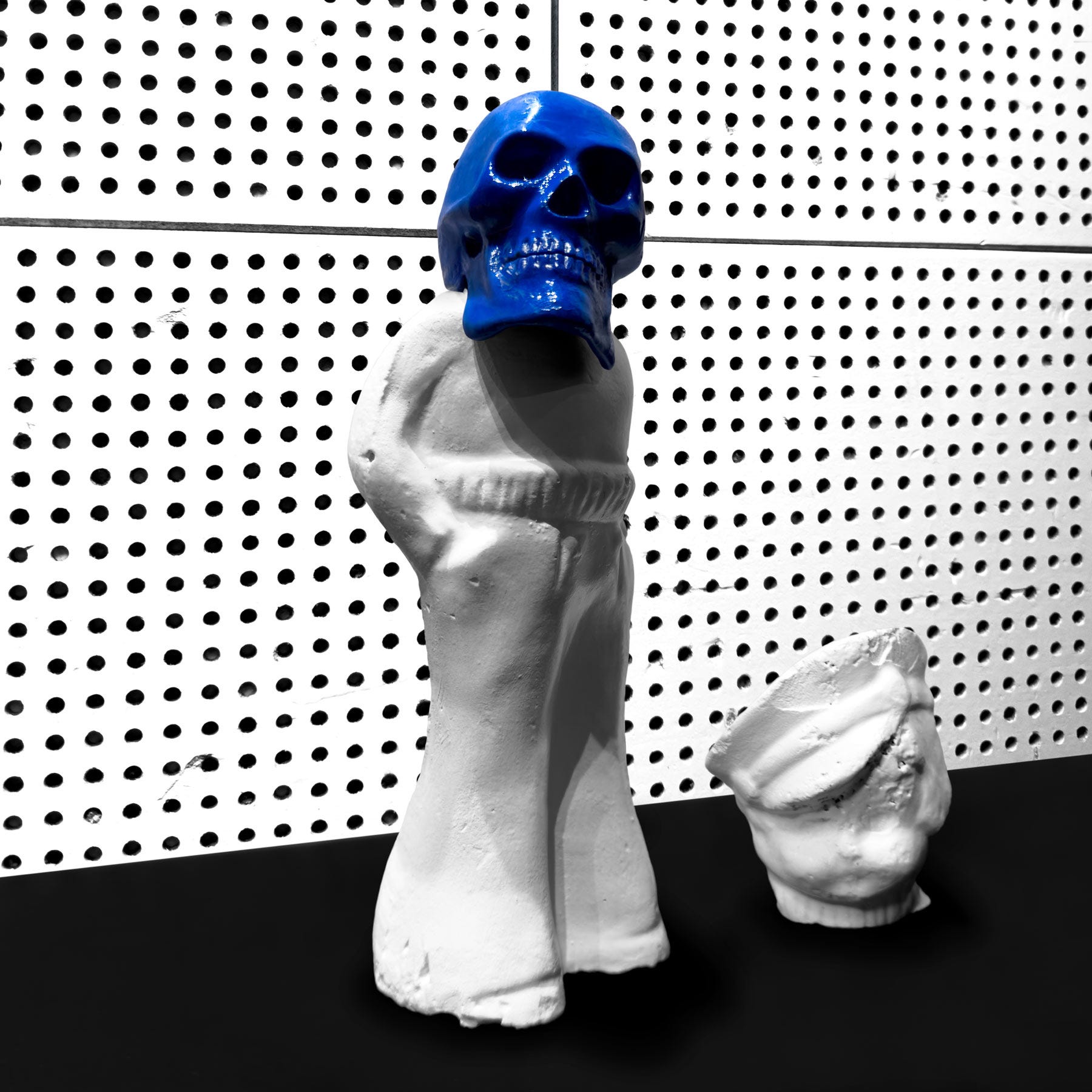
With thanks to Dr. Céline Gounder, who is ageless, and should keep taking me to concerts.
Sophia, I will happily join the mass who adore this Substack about the idiocy of masses!
“The death of ecstasy is not sobriety, it is nostalgia” is... yes. Middle age doesn’t diminish our capacity for feeling but it does complicate our capacity for self-forgetting. At 43, I find there’s simply more self to recall. More history, responsibility, fatigue… not just hearing the music but hearing all the former versions of ourselves who might once have surrendered to it.